Skip to today's issue
Capital Daily
TodayNewsEventsLocalPodcastAskAdvertise
Members
00:00

Capital Daily · Victoria

Victoria’s day, sorted before your first coffee.

Independent Victoria news, supported by readers and local advertisers. We only run ads from businesses rooted here, and sponsors do not influence our coverage.

Read

  • Today's issue
  • Newsletter archive
  • News
  • Things to do
  • Food & Drink
  • Guides
  • Neighbourhoods
  • Ask The Capital

Engage

  • Membership
  • The Board
  • Jobs
  • Reach local readers
  • Podcast
  • About the team
  • Submit a tip
  • Corrections

Follow

  • Get the newsletter
  • Daily audio brief
  • Instagram
  • TikTok
  • Bluesky
  • RSS

Filed daily from Victoria. See you at 7.

Hand-drawn panorama of Victoria's Inner Harbour — lighthouse and cherry blossom on the left, a ferry on the water, Parliament and the park on the right.
Issue 1,276 · Friday, July 17, 2026PrivacyTermsEthics© Capital Daily Media Ltd. Victoria, BC
Living guide · reviewed on major votes

Older, denser, and overdue for an earthquake.

Three things are already shaping Victoria’s next twenty years. The city is only planning for one of them.

Editor · Capital Daily newsroom·Last updated July 17, 2026·≈ 10 min read
§00 The short version

Victoria isn't really deciding whether it grows. That part is done. The only question left is how, and you can already see the answer taking shape: older, denser, and built on a fault the city keeps choosing not to think about.

Start with the thing nobody can undo. Victoria is old, and getting older. At the last census the average resident was 44.8 years old: older than Vancouver (40.8), older than Toronto (39.6), older than Canada itself (41.6), and the oldest of any big city in the country. Almost one in four people here is past 65. One in sixteen is past 80, a bigger share than anywhere else in Canada. This isn't a guess about the future. It's who already lives here, and almost everything else (the job market, who buys whose house, where the next wave of money goes) is quietly rearranging itself around that one fact.

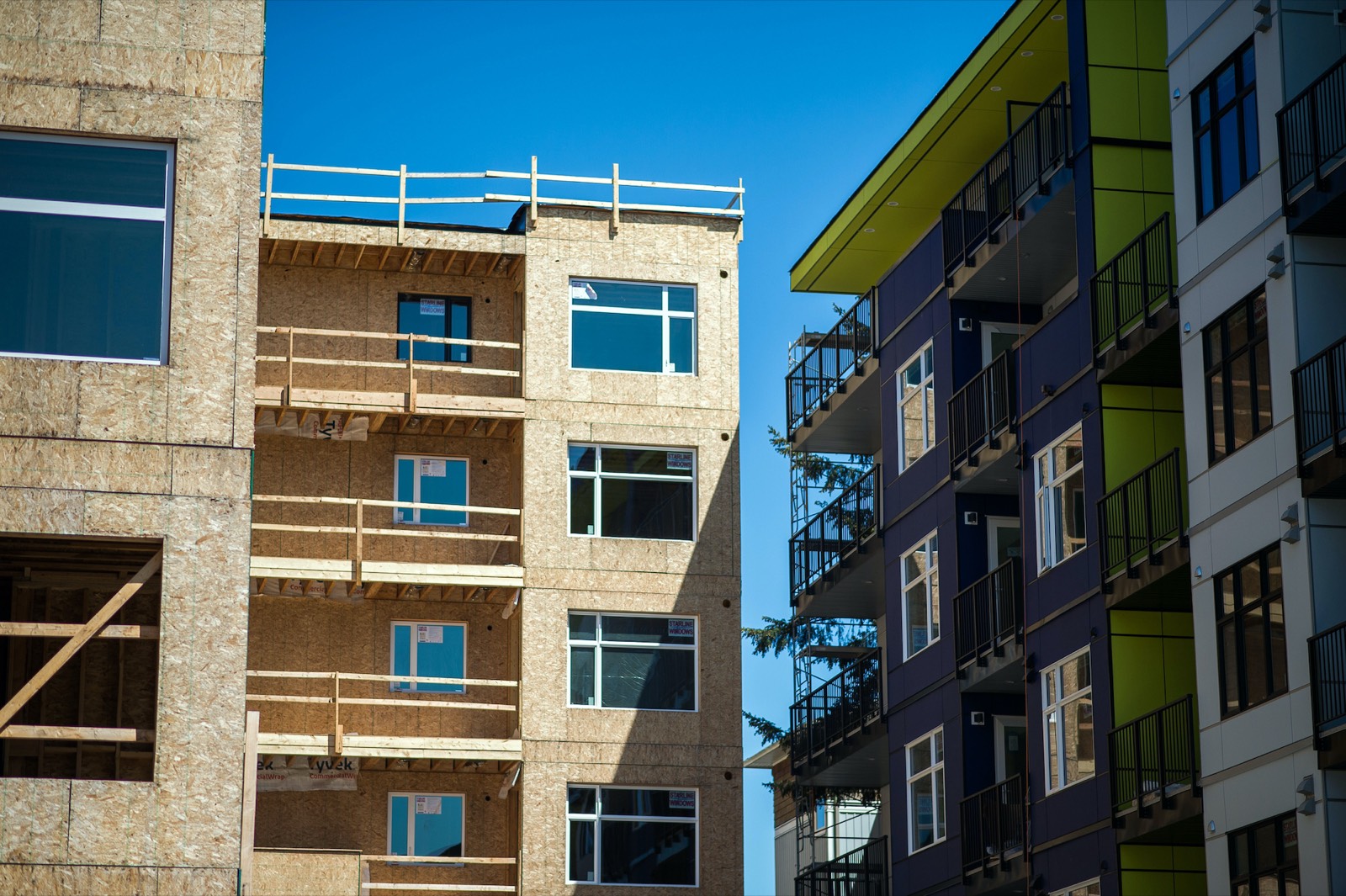
Then look at how the city can grow at all. Greater Victoria is boxed in: ocean on three sides, protected farmland behind it, and town borders that don't move. It can't spread out, so it does the only thing left and grows up and in. Lately almost all of its new people have come from other countries, while the number arriving from elsewhere in Canada has dropped to a low we haven't seen in decades. The new density lands in a few giant projects, the Roundhouse at Bayview (1,827 homes, approved in 2025) and Harris Green Village (1,500-plus, breaking ground that August), and in Langford, which grew almost 32% in five years to become the fastest-growing city in British Columbia. The future is going up downtown and out on the Westshore.

And under all of it sits the part the city would rather not put a price on. The last great Cascadia earthquake hit on January 26, 1700 — 325 years ago. Full-margin monsters that size come roughly every 500 years on average, and the fault's southern half ruptures far more often. Nobody can put a date on the next one; what the city's own engineers can say is what it does when it comes: in the worst case, up to 65% of buildings too damaged to walk back into. So here's the whole story in three parts: the aging is already here, the density is the plan, and the earthquake is the risk nobody has put a price on. This guide covers all three together. And like everything we publish here, it's a living document. When a number changes, we update it.

§01 By the numbers

The four numbers that matter.

Four numbers set the terms for the next twenty years here: how old the city already is, how fast that turns into a need for care, what that care will cost, and how long it's been since the last big earthquake.

44.8The typical Victorian's age, oldest of any big city in CanadaThe average age from the 2021 census. Canada overall sits around 41.6; Vancouver near 40.8, Toronto near 39.6. Only a handful of small centres run older than Victoria.Statistics Canada, Census 2021
6.4%Residents aged 80 and overA bigger share than any other big Canadian city. Another 23.4% are over 65. The group that props up a lot of local spending is the same one about to need a lot of care.Statistics Canada, Census 2021
16,858Long-term-care beds short by 2036How many care-home beds BC is short, a roughly $16-billion gap. The waitlist has tripled since 2016 to 7,212 people, who now wait about 290 days for a bed.Office of the Seniors Advocate BC (2025)
~325 yrsSince the last Cascadia ruptureThe last big one hit in 1700. Quakes that rupture the whole fault come about every 500 years on average — and the fault's southern half goes far more often. In the worst case, the city expects up to 65% of buildings too damaged to enter.Natural Resources Canada · City of Victoria seismic study
The oldest big city in CanadaAverage age by big metro, 2021 census. Victoria is older than every major Canadian city, and more than three years older than the country as a whole.
Victoria44.8
Québec City43.2
Canada (avg)41.6
Vancouver40.8
Toronto39.6

One honest caveat: a few smaller places (Trois-Rivières at 46.4, Nanaimo at 45.6) are older still. Among the big cities, though, Victoria wins this one outright.

The growth that can only go upHomes in the biggest approved downtown projects. With nowhere to spread out, Victoria's growth goes straight up, or moves out to the Westshore.
Roundhouse (Bayview)1,827
Harris Green Village1,500+
Dockside Green (Ph. A)369

Harris Green started building in August 2025; the Roundhouse was approved the month before. That's about 3,700 new downtown homes underway, even as Langford keeps growing faster than any city in BC.

The earthquake clock
~325 yrs

have gone by since the Cascadia fault last let go, back on January 26, 1700. Quakes that size come along about every 500 years — and counting every segment of the fault, one hits somewhere about every 243 years.

Time elapsed since the 1700 rupture~325 yrs
Average gap between full-margin quakes~500 yrs

An average isn't a countdown. The next quake could come tomorrow, or two centuries from now. But 325 years in, Victoria is well inside the window every argument about earthquake-proofing this city starts from.

§02 The forces

Five things that are already decided.

Five things are already shaping the next Victoria. None of them are guesses — each shows up in a census table, a budget line, or a building permit today. The only open question is how the city handles them.

A

The aging is certain

An average age of 44.8 and the highest 80-plus share of any big Canadian city isn't a trend — it's who already lives here. It sets the labour pool, the health-care load, and how fast homes change hands over the next two decades. Plan for it; it isn't going to reverse.

B

New residents now come from abroad

In 2023–24 net international migration nearly equalled the region's entire population gain, while arrivals from elsewhere in Canada fell to a multi-decade low. Victoria's growth now depends on national immigration policy — a lever the city does not control.

C

The city can only grow up and west

Ocean on three sides, protected farmland inland, and fixed municipal boundaries leave two options: taller buildings in the core, and outward growth in Langford, which grew 31.8% in five years. Every housing and transit debate starts from that map.

D

Care is becoming the biggest industry

As the population ages, care stops being a service and becomes the growth industry. BC is short an estimated 16,858 long-term-care beds by 2036, and Island Health is already Vancouver Island's largest employer. The next decade's jobs, buildings and budgets cluster here.

E

Nobody has budgeted for the earthquake

Victoria is 325 years into Cascadia's cycle, with ~90% wood-frame building stock and ~80% of it predating the 1972 code. The City's own study models up to 65% of buildings red-tagged in the worst case. The risk is well mapped. It just isn't budgeted for.

“About 3,700 downtown homes are being built. New care beds funded past 2030: none — in the city that needs them most.— The next twenty years, in one sentence
§03 The risk map

Where the risk actually lives.

01 / The Cascadia margin~325 yrs

The Cascadia margin

Offshore, SW · the long clock
The Cascadia margin
Offshore, SW · the long clock

Eighty kilometres off the west coast, the Juan de Fuca plate grinds under North America along the Cascadia Subduction Zone. Its last full rupture — a magnitude-9 on January 26, 1700 — is dated precisely by the tsunami it sent to Japan. Paleoseismic records show dozens of ruptures over 10,000 years: full-margin quakes like 1700 about every 500 years, with more frequent partial ruptures on the southern segment. At 325 years and counting, Victoria is inside the window.

This is the fault everything else in this guide sits on.

02 / The Inner Harbour, twice exposed~0.5 m

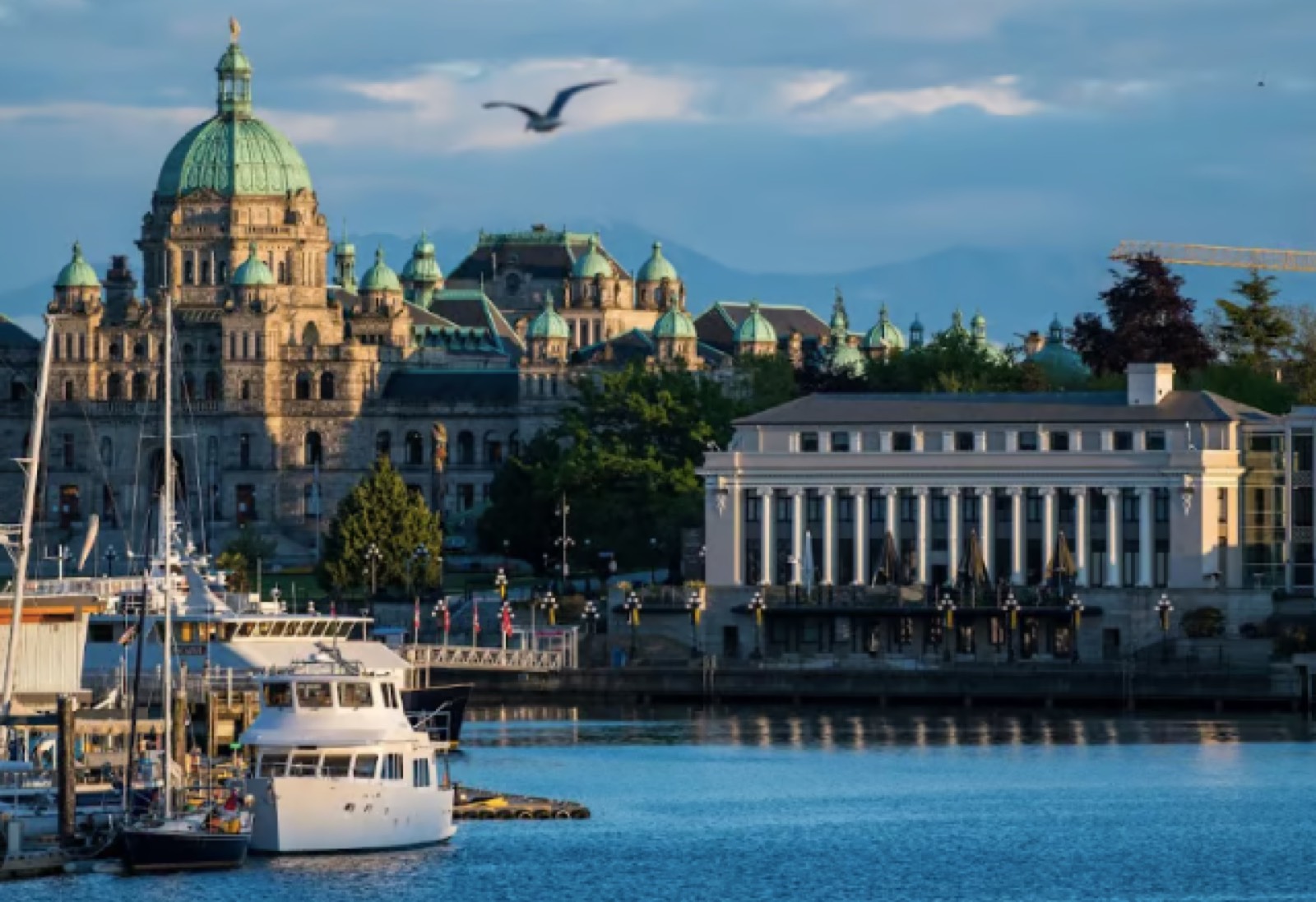
The Inner Harbour, twice exposed

James Bay · liquefaction + sea level
The Inner Harbour, twice exposed
James Bay · liquefaction + sea level

The waterfront that sells the city is the ground most at risk. Built largely on fill, the Inner Harbour and James Bay sit in a liquefaction zone — the soil can behave like liquid in a strong quake. Layered on top: the CRD models roughly half a metre of sea-level rise by 2050 and a metre-plus by 2100, with the worst case lapping into James Bay and Dallas Road.

The prettiest part of the city is also the most exposed.

03 / The unreinforced core43 of 205

The unreinforced core

Downtown heritage · voluntary retrofit
The unreinforced core
Downtown heritage · voluntary retrofit

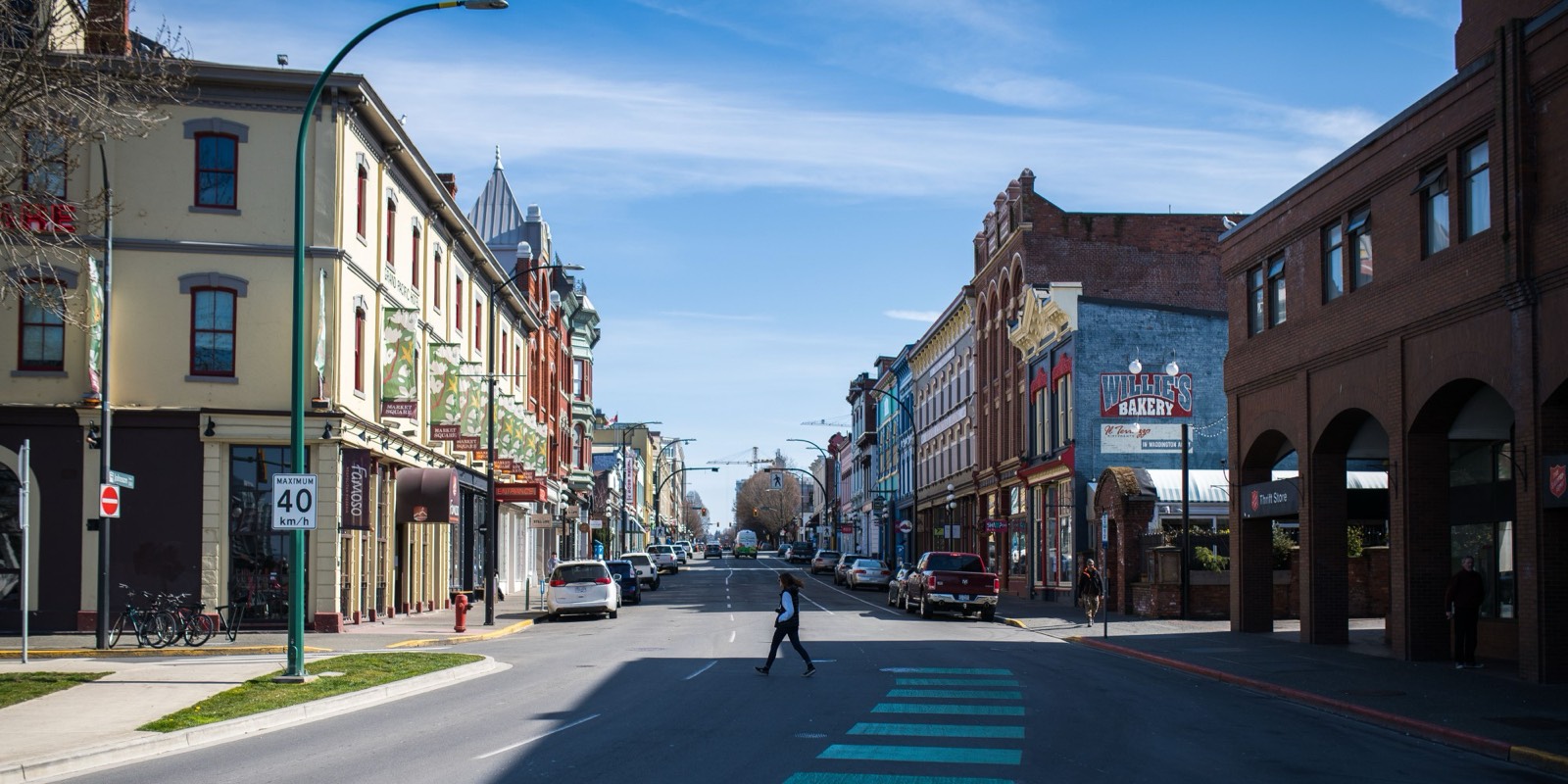
Victoria's brick-and-stone heritage core — the same blocks that fill every tourist photo — is its single most exposed asset class. Of roughly 205 designated heritage buildings downtown, only 43 had been seismically upgraded in the tax-incentive program's first seventeen years — the city's 2017 count, the most recent published. Retrofits run from $120,000 to over $4 million each, and the work is voluntary. No deadline forces it.

The most charming buildings downtown are also the most dangerous in a quake.

04 / The care economy16,858 beds

The care economy

Region-wide · the next boom
The care economy
Region-wide · the next boom

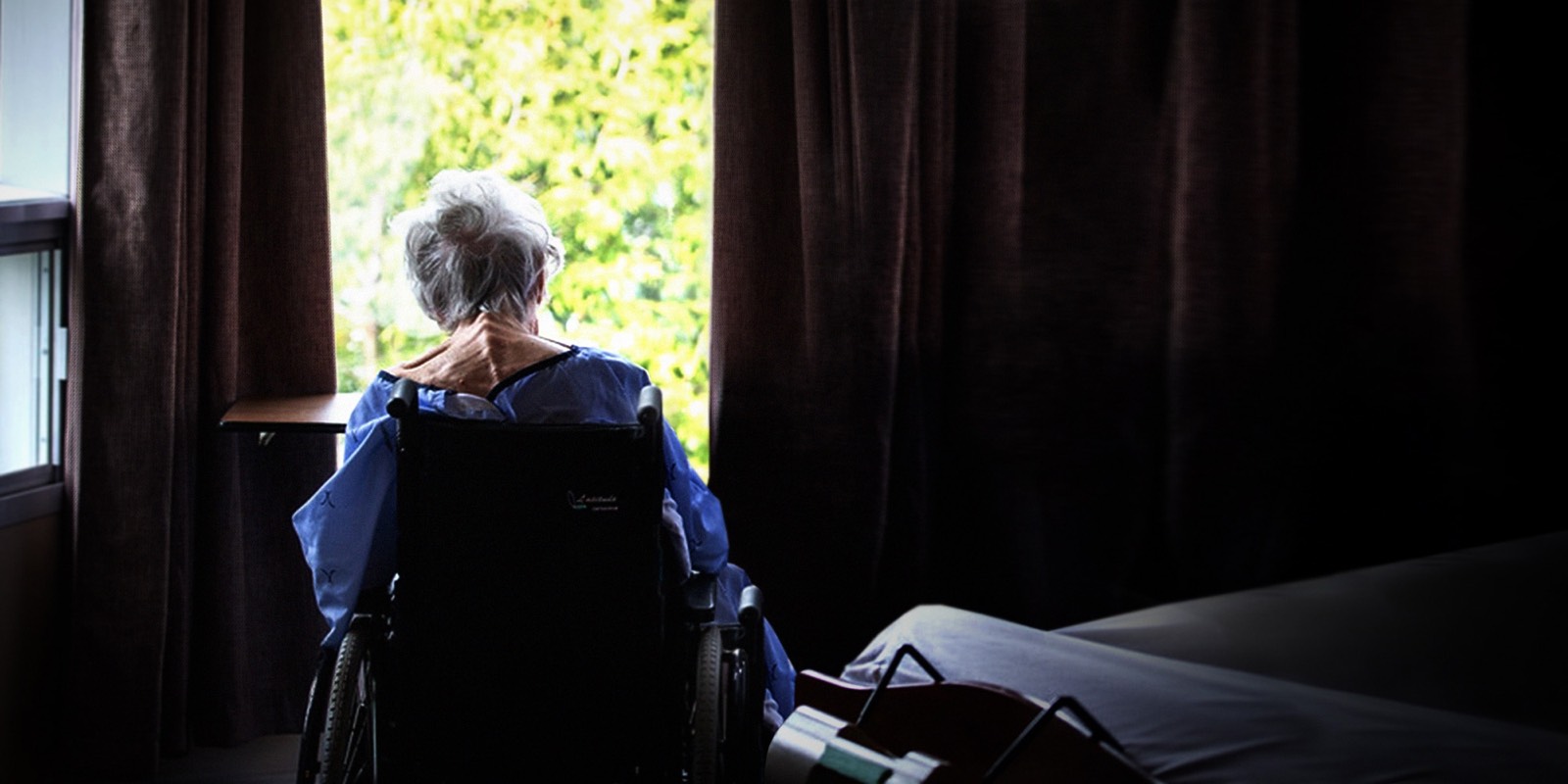
As Victoria ages, care turns from a cost into the economy. BC's seniors advocate projects a shortfall of 16,858 long-term-care beds by 2036 — a roughly $16-billion build the province has not funded past 2030. Island Health is already the largest employer on the Island, the LTC waitlist has tripled since 2016, and the average wait now runs 290 days. This is where the jobs, the buildings and the budgets go next.

This is where the jobs and the construction money go next.

05 / The density bet3,700 homes

The density bet

Harris Green / Bayview · under way
The density bet
Harris Green / Bayview · under way

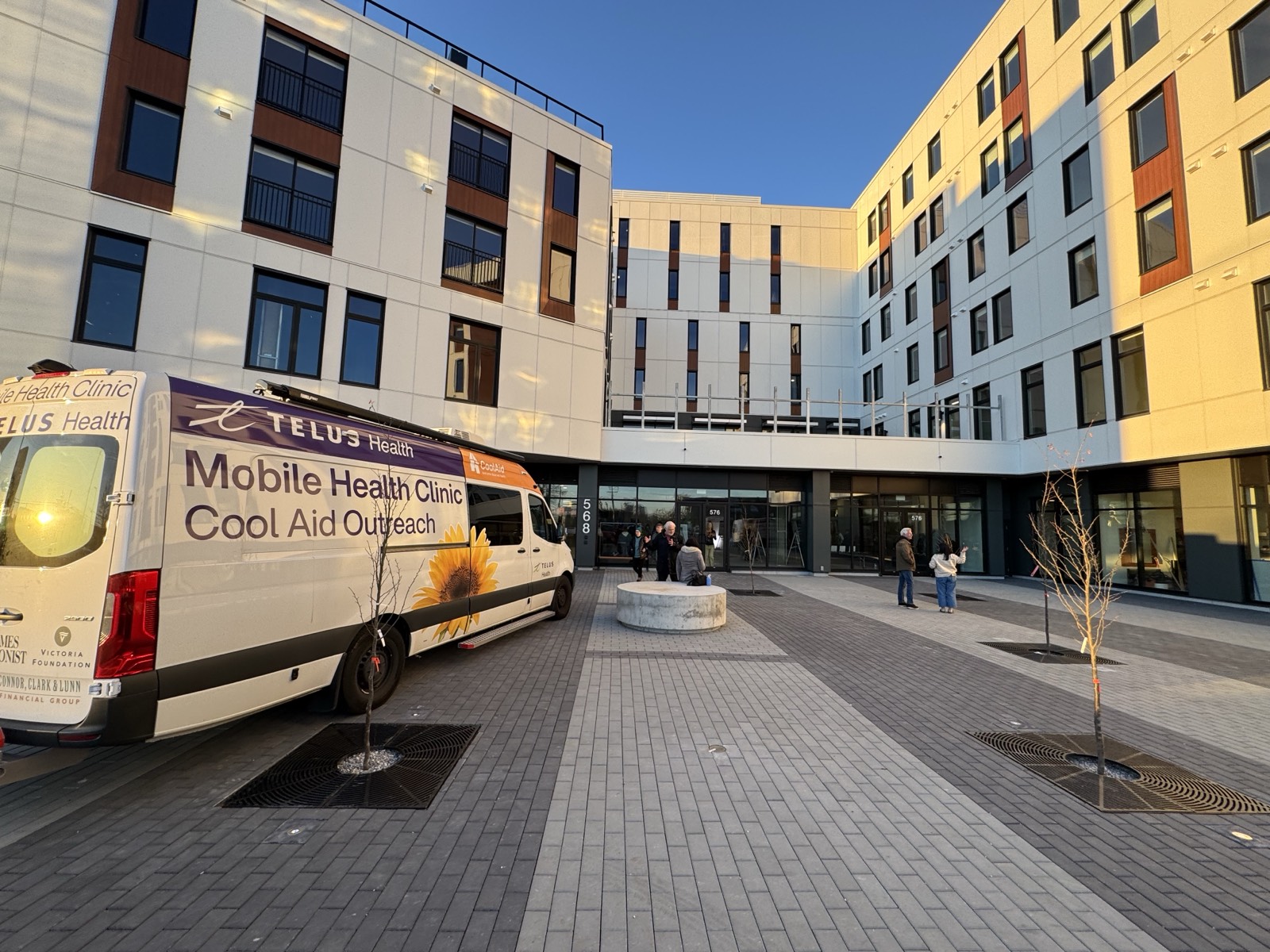
Unable to spread out, the core grows up. Starlight broke ground on Harris Green Village — 1,500-plus rental homes across three phases — at Cook and Yates in August 2025, the largest multi-family project in the city's history. A month earlier the Roundhouse at Bayview (1,827 units) won approval. Together with Dockside Green, roughly 3,700 downtown homes are in motion.

Almost all of downtown's planned growth is in these few projects.

06 / Langford, the relief valve+31.8%

Langford, the relief valve

Westshore · fastest-growing in BC
Langford, the relief valve
Westshore · fastest-growing in BC

What downtown can't absorb flows west. Langford grew 31.8% between 2016 and 2021 to 46,584 residents — the fastest-growing municipality in British Columbia and third-fastest in Canada — capturing roughly 38% of all of Greater Victoria's population gain. The future isn't only built at altitude downtown; a large share of it is built on the Westshore.

The other place the region's growth goes.

Greater Victoria · the forcesThe Cascadia margin
The Cascadia marginThe Inner Harbour, twice exposedThe unreinforced coreThe care economyThe density betLangford, the relief valve
§04 The pipeline

What the city is building, and what it isn’t.

The big approved downtown projects, their size, and where each one stands in mid-2026. Then notice the one line at the bottom the region hasn't funded.

Roundhouse at BayviewFocus Equities · 1,827 unitsApproved Jul 2025
Harris Green VillageStarlight · 1,500+ units, 3 phasesBroke ground Aug 2025
Dockside GreenVic West · 369 units (Phase A)Under construction
New LTC beds funded past 2030Against a 16,858-bed shortfall by 2036None
Downtown office, not renewedProvince consolidating in its own capital~61,000 sq ft

VerifyRoughly 3,700 core homes are moving while the care system the population most needs goes unfunded past 2030. Statuses checked against council records and local reporting in June 2026. If a project has changed, tell us. Spot something that’s changed? Tell us.

§05 The fine print

Five ways to read all this wrong.

A few cautions before you take these numbers and run. They don't soften the picture — they keep it honest.

1

The recurrence numbers need their own fine print.

The ~243-year average counts every Cascadia rupture — including southern-segment quakes that barely touch Vancouver Island. Full-margin magnitude-9s like 1700 average roughly 500 years. Victoria isn't "past due"; it's inside a wide window. The numbers tell you the order of the risk, not its date.

2

“Oldest metro” needs the word “large.”

Victoria leads every big Canadian city on average age, but several smaller metros — Trois-Rivières, Nanaimo, St. Catharines — are older. The superlative is true and useful only when it's stated precisely.

3

Projections are scenarios, not forecasts.

The region's 2046 population estimates range from roughly 534,000 to 598,000 depending on the model and vintage. Treat any single number — including Langford's headline projections — as one possible path, and watch the direction more than the decimal.

4

The red-tag figure is a worst case.

“Up to 65% of buildings red-tagged” is the maximum-credible Cascadia M9 scenario from the City's own modelling, not an average event. A smaller or more distant quake does less. The point is the exposure, not a guarantee.

5

Imported growth can be switched off.

Because the region now grows almost entirely through international migration, its trajectory is hostage to federal immigration targets. A policy change in Ottawa moves Victoria's growth curve more than anything the city can do locally.

VerifyForecasts move. Treat every projection here as a reading of the present, not a promise about the future — and tell us when one shifts.

§06 The playbook

You can’t stop any of it. Here’s what you can do.

You can't reverse the aging or schedule the earthquake, but you can be ready for both. A few practical habits. Tap a box to check it off.

  • Know how old your building is. If you live or work in a pre-1972, unreinforced-masonry or soft-storey building, you carry more of the city's risk than the average. Find out, and ask whether it's been retrofitted.
  • Keep a real seven-day kit. Island infrastructure could be cut off after a major quake. Water, food, meds and a plan for a week — not a weekend — is the honest level of prep for this fault.
  • Read projections as ranges. When a population or price forecast lands, look for the low and high scenarios behind the headline. The spread tells you more than the point estimate.
  • Watch the care sector. Long-term care, home support and health construction are where the next decade's jobs and budgets concentrate. It's the clearest read on where the aging economy is heading.
  • Follow the density debates. Where the city allows height and where it doesn't decides affordability, transit and who gets to live near the core. Watch the rezoning hearings — that's where it gets decided.
  • Tell us what's moved. A project that broke ground, a number that updated, a bed count that changed. This guide is only as current as its corrections.
“Nobody can predict the quake. What's certain is the exposure: in the worst case, 65% of buildings too damaged to re-enter — and most of the heritage core isn't retrofitted.— The earthquake math
§07 The bigger picture

How it all connects.

These forces connect to rents, storefronts and weekend plans. Here are four threads from our research worth knowing.

Connection 03

One aging curve, three markets

Victoria has the oldest average age of any large Canadian metro (44.8) and the highest share of residents over 80. BC faces a 16,858-bed long-term-care shortfall by 2036 even as Oak Bay's benchmark home price softens and its owners age out.

Care is the next boom industry, older owners selling is housing's biggest variable, and the group that anchors local spending is moving from houses into care at the same time. One aging curve is moving three markets at once.

futurehousingbusiness
Connection 04

The earthquake is the region's biggest unfunded risk

Victoria is 325 years past the last full-margin rupture — a size that recurs roughly every 500 years, with smaller segments going far more often. The Inner Harbour and Cook Street Village sit on liquefaction-prone ground — the same heritage blocks that fill every postcard, and only 43 of 205 downtown heritage buildings had been retrofitted at the city's last count, in 2017.

The buildings that make Victoria feel like Victoria are the ones most likely to be wrecked in a big quake — and most of them haven't been retrofitted.

futurelegendshousing
Connection 07

Tech money is leaving downtown

A $7.9-billion tech sector is export-facing and remote-friendly, and no longer needs downtown floors; the Province declined to renew ~61,000 sq ft of office in its own capital. Meanwhile Langford and the neighbourhood main streets absorb the growth.

As downtown offices empty, the neighbourhood streets and the Westshore pick up the growth — exactly where the independents and the cheap dinners already are.

futurebusinessdinner
Connection 09

With the border ferry gone, weekends stay local

The Sidney–Friday Harbor ferry is suspended into its seventh season with no return expected before 2030, just as a growing, aging, increasingly local population needs nearby escapes that don't involve a border or an airport.

With the US ferry gone, weekend trips shift to Saturna, Pender and the Cowichan Valley — the same places Victorians are already rediscovering.

futuregetaways

Sources

  1. 01Statistics Canada — Census 2021, age by CMA (Table 98-10-0021-01)
  2. 02Statistics Canada — Victoria CMA 2021 Census Profile
  3. 03Office of the Seniors Advocate BC — From Shortfall to Crisis (2025)
  4. 04Natural Resources Canada / Earthquakes Canada — the 1700 Cascadia earthquake
  5. 05City of Victoria — Citywide Seismic Vulnerability Assessment
  6. 06BC Stats — Sub-Provincial Population Projections to 2046
  7. 07RENX — Starlight breaks ground at Harris Green Village (Aug 2025)
  8. 08Citified — Roundhouse at Bayview Place approval & first tower
  9. 09Colliers — Victoria Office Market Report (2025)
  10. 10Capital Daily — field reporting (June 2026)

What’s changed

  1. Jul 17, 2026Reworked the earthquake framing: full-margin Cascadia quakes average roughly 500 years (the ~243-year figure counts every segment of the fault), so “past due” became “inside the window”. Corrected “median age” to “average age” throughout. Dated the 43-of-205 retrofit count to the city's 2017 tally, its most recent published.
  2. Jun 2026Corrected the research file before publishing: the care-bed shortfall is 16,858 (not “16,000”), the Roundhouse and Dockside Green are separate projects, and January's federal layoff notices were ~1,144 — not the 10,000 that made the rounds.
Living guide — every change is logged here

Forecasts move, projects break ground, and bed counts change. If a number here has shifted, a project has stalled or advanced, or we’ve framed a risk wrong, we want to fix it.

Send a correction →